California Teen Driver: The Complete Guide (2026)
TL;DR: California teens can apply for a learner's permit at 15½, but only after completing 30 hours of classroom driver education. The permit lasts six months, during which you must log 50 hours of supervised practice (10 at night). After your 16th birthday — and at least six months after getting the permit — you can take the behind-the-wheel test for a provisional license. That provisional carries passenger and nighttime restrictions for the first 12 months. This guide walks every step in order, with current 2026 fees, forms, and the specific California Vehicle Code rules that catch teens out.
Table Of Contents
- 1. Step 1: California's age rules for teen drivers
- 2. Step 2: Driver education and driver training
- 3. Step 3: Getting your learner's permit
- 4. Step 4: The six-month permit period
- 5. Step 5: Passing your behind-the-wheel test
- 6. Step 6: Provisional license restrictions (the first 12 months)
- 7. Step 7: Required documents checklist
- 8. Costs in 2026
- 9. Common mistakes that delay your license
- 10. After the license: keeping a clean record
- 11. Frequently asked questions
This guide is for California teens between 15½ and 17 years old, and the parents helping them through the process. If you are 18 or older, the rules are different — you skip driver education and the provisional restrictions.
Step 1: California's age rules for teen drivers
California uses a graduated driver licensing (GDL) system. Each milestone unlocks a new privilege:
Preparing for your DMV test?
Download our free iOS app — 1,164+ practice questions in 11 languages, flashcards, and offline study!

- 15 — You can begin classroom (or online) driver education through a state-licensed school.
- 15½ — Earliest age to apply for a learner's (instruction) permit at the DMV.
- 16 — Earliest age for a provisional license, after holding the permit at least six months.
- 17 — Most passenger and nighttime restrictions on the provisional still apply through your 18th birthday.
- 18 — Full Class C license with no provisional restrictions.
Under California Vehicle Code (CVC) §12814.6, the provisional license is mandatory for anyone first licensed before age 18. You cannot skip it just because you are close to 18 — apply for your permit on or after your 17½ birthday and you can avoid the GDL period entirely, but that means waiting six extra months.
Step 2: Driver education and driver training
Two separate requirements trip up most families:
- Driver education — 30 hours of classroom or online instruction. Required before you apply for the permit. The course covers traffic law, signs, signals, alcohol/drugs, and safe driving practices.
- Driver training — six hours of behind-the-wheel instruction with a state-licensed driving instructor (not a parent). Required before you take the behind-the-wheel exam at age 16.
Both have to come from a DMV-licensed driver school. The school issues a completion certificate (form OL-237 for ed; OL-237A for training). Bring both to the DMV when required — losing them means re-taking the course.
You can mix providers: take the classroom portion online and the behind-the-wheel hours with a local school. Just confirm both are licensed by the California DMV (search the official directory at dmv.ca.gov).
Step 3: Getting your learner's permit
Once you hit 15½ and have your driver-education completion certificate, you can apply for the permit. Make a DMV appointment online — walk-ins for first-time licenses are rarely seen the same day.
At your appointment you will:
- Submit a completed DL-44 application (one parent or guardian must co-sign).
- Provide proof of identity (passport or U.S. birth certificate), proof of California residency (two documents), and your Social Security number.
- Pay the application fee — $45 as of 2026. This covers both the permit and your provisional license.
- Pass a vision exam and the knowledge test (46 multiple-choice questions; 38 correct to pass).
- Take your photo and a thumbprint.
You walk out with a paper permit. The plastic version mails within a few weeks but the paper version is legal until then.
Want to study smart? Our free California DMV practice tests use the same question pool the real exam pulls from.
Step 4: The six-month permit period
The permit is not a license. It only allows you to drive when a licensed driver age 25 or older sits next to you and can supervise. You cannot drive solo, drive with friends, or use a rideshare on a permit.
During the six months you must:
- Log 50 hours of supervised driving, including 10 hours at night. Your parent or guardian signs the log.
- Complete six hours of behind-the-wheel training with a licensed instructor (the school logs the hours).
- Hold the permit for at least six full months — even if you turned 16 earlier, you cannot take the road test until both the time requirement and your 16th birthday have passed.
Tip from parents who have been through this: keep the practice log in the glove box and update it after every drive. The DMV does not usually ask to see it, but they can — and the form is part of the appointment paperwork.
Step 5: Passing your behind-the-wheel test
Once you turn 16 and your permit is at least six months old, schedule the behind-the-wheel exam (also called the drive test). You must bring:
- Your valid permit
- Proof of insurance for the vehicle you are testing in
- Current vehicle registration
- The signed practice log (parent or guardian signature)
- Form OL-237A (six hours of driver training certificate)
The test takes about 20 minutes. The examiner scores you on observation, signaling, lane position, intersection control, and emergency response. The most common failures are:
- Rolling stops at stop signs (must come to a full, complete stop)
- Failing to check mirrors and over-the-shoulder before changing lanes
- Speed-creeping — driving 5+ mph over the limit on residential streets
- Not yielding to pedestrians in unmarked crosswalks at intersections
If you fail, you must wait two weeks to retake. You get three attempts on a single application; a fourth requires re-applying and paying again. For our breakdown of the test, see our California driving test tips and driving performance evaluation score sheet articles.
Step 6: Provisional license restrictions (the first 12 months)
Pass the test and you get a provisional license — a real plastic Class C card, but with two big restrictions under CVC §12814.6 that last 12 months or until you turn 18 (whichever comes first):
- Passenger restriction: No passengers under 20 years old unless a licensed parent, guardian, driving instructor, or other licensed driver 25 or older is in the car.
- Nighttime restriction: No driving between 11:00 p.m. and 5:00 a.m. unless accompanied by a licensed driver 25 or older.
Exceptions exist for school, work, medical needs, and family emergencies, but you must carry a signed note from a parent, employer, doctor, or school explaining the reason. The note has to include the date, destination, and the time you expect to return.
A first violation is a "secondary" offense, meaning an officer cannot pull you over just for it — but if you are stopped for something else (speeding, a brake light out) and they see an under-20 passenger, you face a fine and an extension of the restriction.
Step 7: Required documents checklist
Bring every document below to your permit appointment. Missing any one of them means rescheduling:
- Identity: U.S. passport, certified birth certificate, or permanent resident card
- California residency (two documents): rental agreement, utility bill, school enrollment letter, bank statement, etc. The two have to show different proof types — two utility bills do not count.
- Social Security number: just the number; you do not need to bring the card itself
- Driver education completion certificate (OL-237)
- Completed DL-44 application with a parent or guardian signature
For a complete REAL-ID-ready checklist that doubles as a CA permit checklist, see our California REAL ID checklist.
Costs in 2026
Total cost for a California teen from permit to full Class C: roughly $45 in DMV fees, plus driver education and training (varies widely):
- DMV application fee (covers permit + provisional license): $45
- Driver education (30-hour online course): $40–$150
- Driver training (six hours behind the wheel): $300–$600 depending on the school
- Replacement license (lost/stolen): $42
- Behind-the-wheel retake (each additional attempt): no fee for the second or third within the same application
Tip: some California school districts run subsidized driver education and training programs. Ask your high school office before paying for a commercial school.
The five mistakes below cause more than half of all permit-test and provisional-license delays.
Common mistakes that delay your license
- Forgetting the residency documents. Two California-mailed documents are required. A school enrollment letter and a utility bill in a parent's name (with the teen named or attached) are the most common combo.
- Booking the road test before the six-month permit period ends. The DMV system lets you do it, but the examiner will turn you away on the day. Wait until both your 16th birthday and six months on the permit are behind you.
- Driving alone on a permit. If a parent runs into a store and leaves you in the driver's seat with the engine on, technically you are violating the permit. A nervous officer can write a ticket.
- Not insuring the practice car. California requires liability coverage on any vehicle a permit holder drives. Confirm with your insurer that your teen is rated on the policy.
- Skipping the night-driving hours. Ten hours at night are required out of the 50. Examiners ask about it on the practice log.
After the license: keeping a clean record
A provisional license that gets a single point (e.g., a speeding ticket) within the first 12 months triggers an automatic letter from the DMV. Two points within a year, or one at-fault accident plus a citation, can lead to a 30-day "secret probation" — meaning any new violation suspends your license for six months. Drive carefully your first year; insurance discounts also kick in after you complete the GDL period clean.
For the rules that catch teens out most often, our safe driving tips for novice drivers guide is a solid follow-up.
Frequently asked questions
Can I get a California learner's permit at 15?
No. The minimum age is 15½, and you also must have completed 30 hours of driver education first. You can start the classroom or online course at 15, but you cannot apply for the permit until your 15½ birthday.
How long does the California learner's permit last?
A learner's permit is valid for two years from the date of issue. You must hold it for at least six months before you can take the behind-the-wheel test for a provisional license.
Can my parent count as a driving instructor for the six hours of training?
No. The six hours of driver training must be with a DMV-licensed driving school instructor. The 50 hours of supervised practice (separate from the six paid hours) can be logged with a parent or other licensed driver 25 or older.
What if I turn 18 before I finish the provisional period?
The provisional restrictions end automatically on your 18th birthday, even if you have not held the license a full 12 months. Your card stays the same — the restrictions just no longer apply.
Do I need a REAL ID as a teen driver?
Not for driving. A standard California driver license is enough for the road. You only need a REAL-ID-compliant license (or a passport) to board a domestic flight or enter a federal building.
Can I drive to school under the nighttime restriction?
Yes — school, work, medical appointments, and family emergencies are all exceptions to the 11 p.m.–5 a.m. restriction, but you must carry a signed note explaining the reason for the trip.
How do I schedule the behind-the-wheel test?
Use the DMV online appointment system at dmv.ca.gov. Behind-the-wheel test slots fill up fast in busy offices — book six to eight weeks ahead if you can. Some smaller offices have shorter waits than your nearest one.
What happens if I fail the driving test three times?
You must re-apply and pay the application fee again. You also lose the original application's testing credits. Spending the time to nail the test the first or second time is much cheaper than restarting.
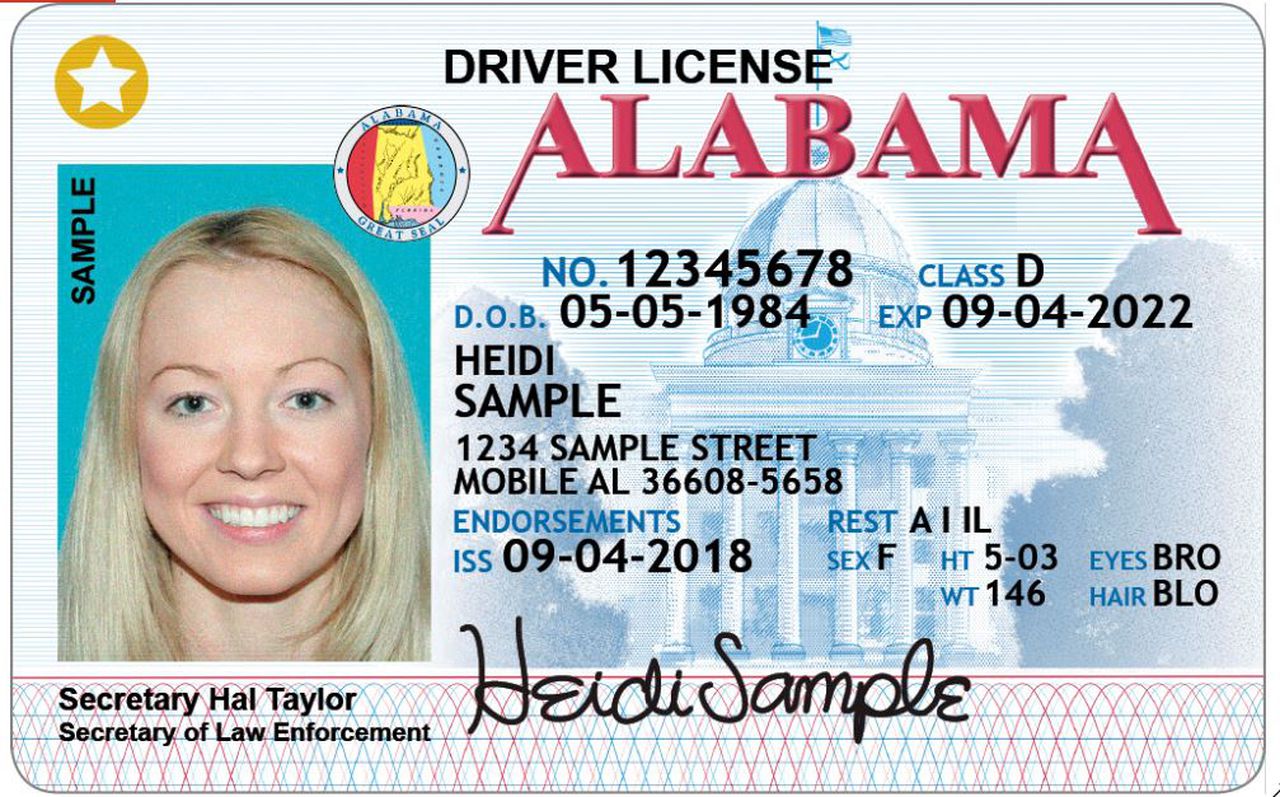
For a visual tour of every state's driver license design, see our full guide.